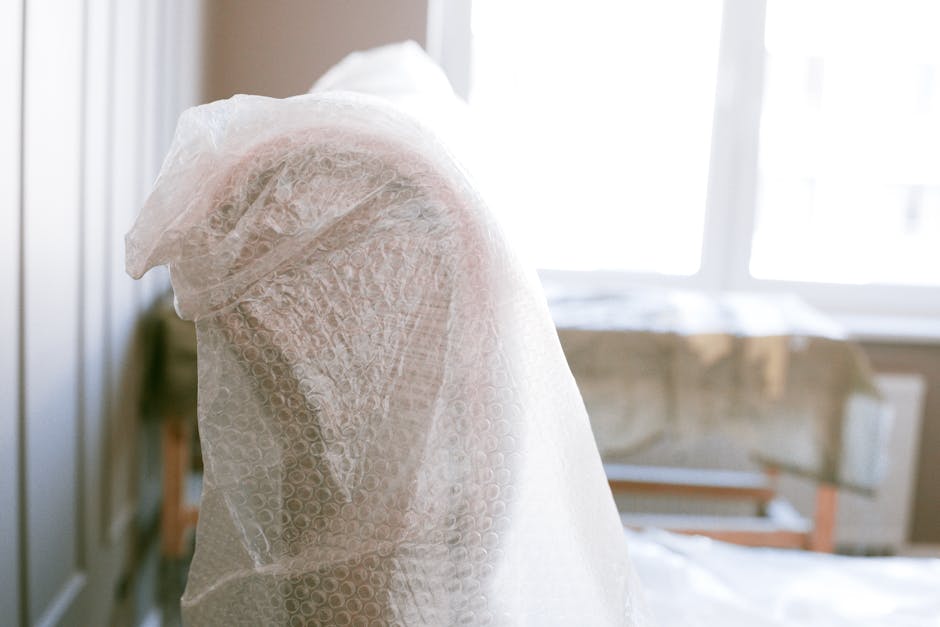
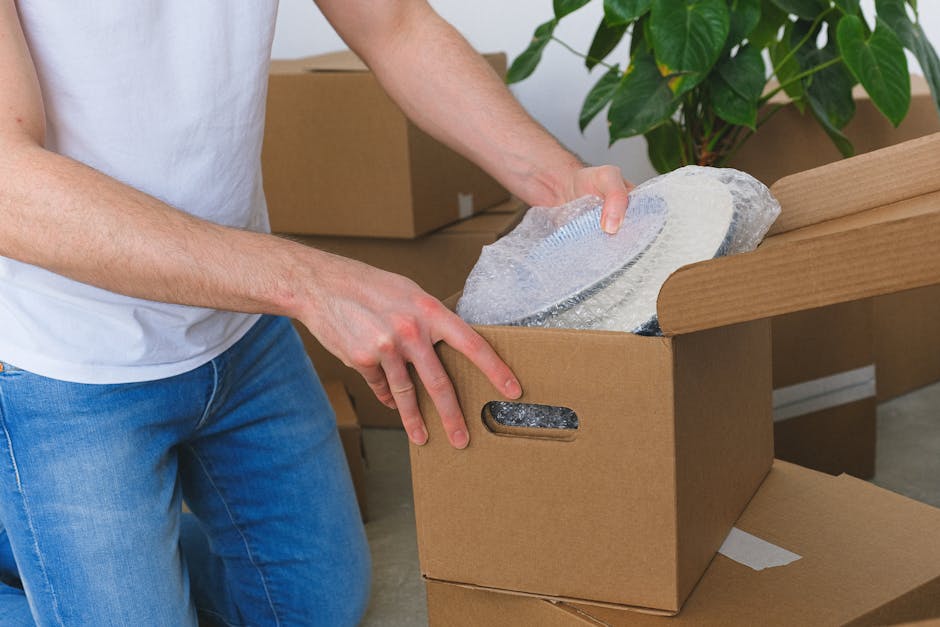
If you are moving antiques, one loose wrap or rushed box can turn a family treasure into a very expensive headache. That is the real challenge with Packing antiques in Merton: Expert tips for fragile moves - it is not just about getting items from A to B, but about protecting age, craftsmanship, finish, and sometimes sentimental value that simply cannot be replaced. Whether you are dealing with a Victorian side table, a gilded mirror, china, ceramics, clocks, or a delicate set of books, the safest approach is usually slower, more methodical, and a bit more thoughtful than a standard house move.
In this guide, you will find practical packing methods, common risks, and sensible decision points for fragile moves in and around Merton. You will also see when to pack antiques yourself, when to ask for extra help, and how to keep the whole job calm rather than chaotic. Let's face it, antiques do not like shortcuts.
For readers who want to understand the wider moving service behind careful packing, it can also help to review the company's background and approach, along with its insurance and safety information and health and safety policy. Those pages are useful for building trust before you hand over anything fragile.
Table of Contents
- Why Packing antiques in Merton: Expert tips for fragile moves Matters
- How Packing antiques in Merton: Expert tips for fragile moves Works
- Key Benefits and Practical Advantages
- Who This Is For and When It Makes Sense
- Step-by-Step Guidance
- Expert Tips for Better Results
- Common Mistakes to Avoid
- Tools, Resources and Recommendations
- Law, Compliance, Standards, or Best Practice
- Options, Methods, or Comparison Table
- Case Study or Real-World Example
- Practical Checklist
- Conclusion
- Frequently Asked Questions
Why Packing antiques in Merton: Expert tips for fragile moves Matters
Antiques are different from ordinary belongings. A dining chair from the 1920s may still be sturdy, but its joints can be dry. A framed print may look simple, yet the glass, mount, backing board, and frame can all react differently during movement. Even a small bump in a hallway or a sudden tilt on the stairs can cause damage that does not show up until later.
In a place like Merton, where homes can range from compact flats to older terraces and larger family properties, access often matters as much as packing quality. Narrow stairwells, tight front rooms, low garden walls, or shared entrances can make fragile items more difficult to manoeuvre. That is why careful packing is not a luxury. It is part of the move itself.
The other reason it matters is simple: antiques often have layered value. There is financial value, of course, but there is also provenance, rarity, and personal memory. Once a veneered edge chips or a porcelain handle snaps, you are usually into repair territory. Sometimes that works well. Sometimes it never quite feels right again. You probably know that feeling already.
Expert summary: If an item is old, irreplaceable, awkwardly shaped, or likely to flex, chip, crush, or scuff, it deserves a packing plan of its own rather than a generic "wrap and hope" approach.
How Packing antiques in Merton: Expert tips for fragile moves Works
Good antique packing starts with sorting. Before any paper or tape comes out, assess each piece individually. Ask three practical questions: what is it made of, what part is most vulnerable, and how will it move through the property?
That sounds basic, but it changes the plan completely. A solid oak sideboard may need corner protection and a blanket wrap. A mirrored cabinet needs glass protection, face padding, and careful handling on its weakest points. A collection of pottery may need dividers, cushioning, and small boxes rather than one large heavy carton. Different material, different risk.
The next step is choosing the right packing system. In most fragile moves, the safest method is a layered one: internal protection for the item itself, external cushioning to absorb movement, and a strong outer container or wrap to keep everything stable. The goal is not just "covering" the object. The goal is stopping movement inside the package.
And movement is the enemy. Tiny shifts during lifting, braking, stacking, or loading can be enough to crack glaze, loosen joints, or cause abrasion. Professional packing is really about controlling those tiny shifts. Nothing glamorous, just very effective.
For a move to feel properly organised, it also helps to understand booking, timing, and service expectations early. If you are comparing options, the pricing and quotes page can help you think through what level of support makes sense, while the terms and conditions set out the practical framework for the service.
Key Benefits and Practical Advantages
Careful antique packing is not just about avoiding disaster. It brings a few very real advantages that are easy to overlook until moving day.
- Less breakage risk: Proper cushioning, separation, and stable boxing reduce the chance of impact damage.
- Better handling: Clearly packed items are easier to lift, stack, and carry without sudden wobbling.
- Faster unloading: Good labelling and organised wrapping save time when everything arrives.
- Lower stress: You do not spend the move wondering whether the mirror, clock, or cabinet is safe.
- More control over delicate finishes: Antique wood, lacquer, gilt, and glass all respond badly to friction and pressure.
- Improved accountability: A tidy packing system makes it easier to identify what is where if you need to check items later.
There is also a psychological benefit, which sounds small but is not. When a fragile move is organised well, the whole day feels more manageable. You are less likely to rush, trip over packaging, or stack things in panic near the door. That calm matters. A lot.
Who This Is For and When It Makes Sense
This approach is for anyone moving objects that cannot simply be boxed and forgotten until later. That includes private homeowners, downsizers, landlords dealing with furnished property, collectors, antique shop owners, and families moving inherited items between homes.
It is especially useful if you are:
- moving within Merton but have awkward access or tight hallways
- transporting furniture with veneer, carvings, inlays, or glass components
- packing a mixed collection of small decorative items and larger statement pieces
- combining antique packing with a full house move
- uncertain whether an item is robust enough for standard removal packing
- dealing with heirlooms that you would rather not "test" on the back of a van
If you are only moving one or two sturdy objects, you may manage with careful DIY packing. But if there are multiple fragile pieces, or you know access will be awkward, bringing in experienced help is often the saner choice. To be fair, sanity counts for something on moving day.
Step-by-Step Guidance
1. Inspect each item before you pack it
Start by checking for existing cracks, loose joints, flaking veneer, missing knobs, soft spots, or repairs that may already be under strain. Photograph items from several angles. Not for drama, just for reference. If something is already fragile, you need to know that before wrapping begins.
2. Clean gently and dry thoroughly
Use a soft, dry cloth or a method appropriate to the material. Avoid damp cloths on surfaces that may react badly to moisture unless you are certain they are suitable. Dust trapped under wrap can scratch finishes during transit, so a light clean is worth the time.
3. Separate removable parts
Remove drawers, shelves, keys, glass inserts, loose legs, and ornaments where possible and safe to do so. Pack those parts separately, label them clearly, and keep fittings together in a small bag. The old trick of "I will remember which screw goes where" rarely ages well.
4. Use appropriate wrapping
Wrap delicate surfaces first with acid-free tissue or clean soft paper where suitable, then add protective layers such as bubble wrap or padded blankets depending on the item. Never let hard plastic tape touch the object itself. For paintings and framed pieces, protect corners carefully and keep pressure off the surface.
5. Box items so they cannot shift
Use sturdy cartons sized to the item. Fill voids with cushioning material so nothing slides around. A box that is too large can be worse than no box at all, because movement inside the box can do the damage.
6. Mark boxes clearly
Write what the box contains and how it should be handled: "fragile," "this side up," "glass," or "do not stack." Simple, visible labelling helps everyone on the move, including anyone helping at the last minute.
7. Load with care and plan the route
Before lifting, think about the route through the property, where corners are tight, and whether anything needs protection on the way out. A quick scan of the hallway can save a lot of grief. In older Merton properties, door frames and banisters are often the hazards people forget until the last second.
8. Unpack in a calm order
Once you arrive, unpack the heaviest or most exposed items carefully first. Check for damage as you go so any issue is identified promptly. Take your time here. Nobody wins by rushing the final ten minutes.
Expert Tips for Better Results
Some techniques make a noticeably bigger difference than others. These are the ones that usually matter most in fragile moves.
- Double-box small valuables: For smaller antiques or ornaments, an inner box inside a larger box adds another buffer against knocks.
- Protect corners first: Corners and edges are often the first parts to fail, especially on framed pieces and furniture with decorative mouldings.
- Use blankets for furniture, not plastic alone: Plastic can trap pressure points and does very little against impact on its own.
- Keep weight manageable: Heavy boxes are awkward and more likely to be dropped. Split collections into smaller loads where possible.
- Think about temperature and moisture: Old wood, paper, and some finishes can react to damp conditions. Avoid packing items while they are still slightly wet from cleaning.
- Don't over-tighten wrap: It is tempting to make everything "extra safe," but over-compression can strain weak joints or delicate surfaces.
Here is a small but important one: if an item has a fragile patina, do not treat it like modern furniture. The surface finish may be part of its character and value. A too-aggressive packing method can polish, rub, or mark areas that should have stayed untouched. A bit of restraint goes a long way.
And yes, sometimes the safest answer is the dullest one: more padding, less movement, fewer surprises.
Common Mistakes to Avoid
Most damage during antique moves comes from a handful of preventable mistakes. The frustrating part is that they are often made in a hurry, usually on the final day, when everybody is already tired.
- Using newspaper directly on delicate surfaces: Ink transfer and abrasion can be a problem, especially on porous or light-coloured finishes.
- Packing too quickly: Rushed wrapping tends to leave corners exposed and boxes underfilled.
- Mixing heavy and fragile items: A small heavy object can crush much lighter contents in the same box.
- Ignoring loose parts: A loose drawer or handle can scrape an item during transit if not removed or secured.
- Overloading one box: Heavy boxes are harder to carry and more likely to be dropped at stairs or thresholds.
- Leaving gaps in the box: Empty space means movement, and movement causes damage. Simple as that.
- Forgetting to label orientation: Items with glass, mechanisms, or fragile tops may need a clear "upright" note.
One more thing people miss: checking the destination room before unloading. If the antique wardrobe is going into a cramped room on the first floor, the safe unpacking plan may be different from the safe packing plan. The whole journey matters, not just the box.
Tools, Resources and Recommendations
You do not need a warehouse full of specialist gear, but the right materials make a big difference. A sensible antique packing kit usually includes:
- sturdy double-wall boxes in mixed sizes
- acid-free tissue paper for delicate surfaces
- bubble wrap or padded wrap for impact protection
- moving blankets for furniture and larger framed items
- corner protectors for frames, mirrors, and panels
- packing tape that seals reliably without crushing the contents
- marker pens and labels
- small sealable bags for screws, keys, and fittings
- soft cloths for light cleaning before packing
- gloves if the surface is sensitive or prone to marking
In a well-run move, good materials are only half the story. Timing and planning matter too. If you are comparing service options, a clear explanation of how quotes are handled can help you decide what level of packing support is practical. If you want to understand how a company thinks about customer care and handling standards, a look at the safety policy and insurance guidance is worthwhile.
For households concerned about waste, reuse, and sensible disposal of packing materials after the move, the recycling and sustainability page is a useful starting point. No need to stockpile piles of cardboard forever. Nobody wants that corner of the spare room becoming a packaging monument.
Law, Compliance, Standards, or Best Practice
Antique packing itself is not usually a legal grey area, but moving safely and responsibly is still important. In practice, this means handling items in a way that reduces foreseeable risk to people and property, keeping walkways clear, and using methods that are suitable for the item rather than convenient for the mover.
For businesses and professional removals, the expectation is generally that staff are trained to handle fragile goods carefully, loads are secured properly, and the customer is given clear information about service scope and responsibilities. Insurance terms also matter, because the difference between a well-handled item and a disputed claim can come down to how the move was planned and documented.
If you are a customer, ask straightforward questions before moving day: What is covered? What packing is included? What happens if an item needs special wrapping? These are not awkward questions. They are sensible ones. In fact, asking them usually saves time later.
It is also wise to check the provider's customer-facing policies, such as terms and conditions and complaints procedure. Clear policies do not guarantee a perfect move, of course, but they do show how a company handles expectations and issues if anything needs attention. That kind of clarity is reassuring when you are moving something precious.
Options, Methods, or Comparison Table
There is no single correct way to pack antiques, but some methods suit certain items better than others. This comparison is a practical guide rather than a rigid rulebook.
| Method | Best for | Strengths | Limitations |
|---|---|---|---|
| Soft wrap only | Robust antiques, lightly delicate furniture | Quick, lightweight, simple | Not enough protection for glass, ceramics, or intricate pieces |
| Layered wrap and box | Small ornaments, framed items, mixed fragile goods | Good balance of protection and control | Needs careful fitting and labelling |
| Blanket wrap with secure loading | Large furniture, tables, cabinets, mirrors | Excellent for surface protection and handling | Less suitable for very small or loose items unless combined with boxes |
| Double-boxing | Valuables, small ceramics, delicate collectables | Extra buffer against impact | Uses more material and time |
| Professional packing support | High-value, complex, or awkward antiques | Experience, efficiency, and reduced stress | Higher cost than DIY packing |
For many moves, the best approach is a mix of methods rather than one method for everything. That is especially true if you are packing an entire room of different antique styles. One box may need foam and dividers, while the next only needs padded wrap and a small cushion of paper. Flexible thinking wins here.
Case Study or Real-World Example
Consider a fairly typical Merton move: a family downsizing from a Victorian terrace with a carved oak sideboard, two framed oil paintings, a pair of porcelain lamps, and a glass-fronted cabinet inherited from grandparents. Nothing outrageous, but every item is a bit awkward in its own way.
The sideboard is heavy and has decorative edges that can chip if they catch a doorway. The paintings need corner protection and a stable upright position. The porcelain lamps have removable shades and bases that should not travel together loosely. The cabinet has glass shelves, which means the loading plan matters as much as the packing.
In a situation like this, the smartest move is to pack each object separately, label every part, and plan the route out of the house before anything is wrapped. If the front door opens onto a narrow hall, you do not want to discover that the cabinet must pivot awkwardly after it is already boxed. That sort of thing tends to happen at the worst possible moment, usually while someone is saying, "It should be fine." Famous last words.
What makes the process work well is not special magic. It is patience, a bit of forethought, and enough padding to allow for the unexpected knock or wobble. A careful move does not have to be fancy. It just has to be deliberate.
Practical Checklist
Use this as a final pre-move check for fragile items.
- Inspect each antique for existing damage before packing.
- Photograph valuable or sentimental pieces for reference.
- Clean surfaces gently and let them dry fully.
- Remove loose components such as shelves, keys, and detachable legs where appropriate.
- Wrap delicate surfaces with suitable protective material.
- Protect corners, glass, and edges before boxing.
- Choose boxes that fit the item without leaving much empty space.
- Fill voids so nothing shifts inside the box.
- Label boxes clearly with contents and handling notes.
- Keep heavy and fragile items separate.
- Plan the route through the home and measure awkward doorways if needed.
- Confirm insurance, service scope, and packing responsibility before moving day.
- Unpack carefully and check each item as it comes out.
If you can tick all of those off, you are in a good place. Not perfect, maybe. But good enough to move with confidence, and that is what most people really want.
Conclusion
Packing antiques in Merton: Expert tips for fragile moves is really about treating valuable and sentimental items with the respect they deserve. Good packing is not overkill. It is risk control. It keeps surfaces safe, reduces movement, and makes the whole moving day easier to manage from start to finish.
Whether you are handling one treasured cabinet or a whole collection of fragile pieces, the same principles apply: inspect, separate, cushion, label, and move with care. Add a little planning around access and a clear understanding of service expectations, and you will avoid most of the usual problems before they even begin. Simple advice, yes, but it works.
If you want support with a fragile move in Merton, take the time to compare options, ask about packing standards, and look at the company's trust and service pages first. A careful start usually leads to a calmer finish.
Get a free quote today and see how much you can save.
And if the day still feels a bit overwhelming, that is normal. Take it one item at a time. Antiques have survived a lot already; with the right packing, yours should make the trip just fine.
Frequently Asked Questions
How do I pack antiques safely for a move in Merton?
Start by assessing each item individually, then use layered protection, sturdy boxes, and clear labels. Fragile pieces should not be allowed to move inside the box, because that is usually where the damage starts.
What packing materials are best for antiques?
Soft tissue paper, bubble wrap, padded blankets, corner protectors, and sturdy boxes are the usual basics. For delicate finishes, choose materials that will not scratch or stain the surface.
Should I wrap antiques in newspaper?
It is generally better not to wrap delicate surfaces directly in newspaper, because ink transfer and abrasion can be a problem. Clean paper or tissue is often safer for the first layer.
Can I move antiques myself or should I use professionals?
You can move some sturdier antiques yourself if you pack carefully and the access is straightforward. For valuable, heavy, awkward, or irreplaceable items, professional support is usually the safer choice.
How do I protect antique furniture during a move?
Protect corners first, remove loose parts where possible, and use moving blankets or other padded coverings. Secure the furniture so it does not shift during lifting or transit.
What is the biggest mistake people make when packing fragile items?
The most common mistake is leaving movement inside the box. People often focus on wrapping the item but forget to fill gaps, which means the object can shift, rub, or knock against itself in transit.
How far in advance should I start packing antiques?
Ideally, start well before moving day. Fragile items take longer because you need time for inspection, cleaning, wrapping, labelling, and sometimes disassembling small parts.
Do antiques need special insurance during a move?
That depends on the mover's terms and the value of the items involved. It is sensible to check what is covered, what packing standard is expected, and whether any exclusions apply before the move begins.
How should I pack antique mirrors and framed artwork?
Use corner protection, pad the glass or surface carefully, and keep the item upright where possible. For especially delicate or high-value pieces, a more cautious method or specialist handling may be appropriate.
Is it worth paying extra for professional packing help?
Often yes, if the antiques are valuable, fragile, or awkward to carry. The extra cost can buy you experience, safer handling, and a lot less stress on the day.
What should I do if an antique already has cracks or loose joints?
Pack it even more cautiously and avoid putting pressure on the damaged area. If the item is particularly unstable, it may be worth discussing the safest transport method before moving day.
How can I tell if a removal company is suitable for fragile moves?
Look for clear information about handling standards, safety, insurance, pricing, and customer procedures. Helpful pages like about the company, insurance and safety, and contact details can help you judge how organised and transparent the service is.